
Engagement, Trust, and Measurement: Reflections from Two Days at the National Problem Solving Conference
Over the past two days, we have been with police officers, partners and academics listening to a great bunch of people sharing their learning about using national problem solving approaches to tackle local crime and disorder. In recent times, we have delivered a workshop on three occasions. After stepping back from policing for a few years, our recent work with Warwickshire Police refreshed our view of how forces are willing to embrace collective dialogue across diverse communities. That coincided with an invitation from the organisers, so here we were again, back with those working hard to keep us all safe.
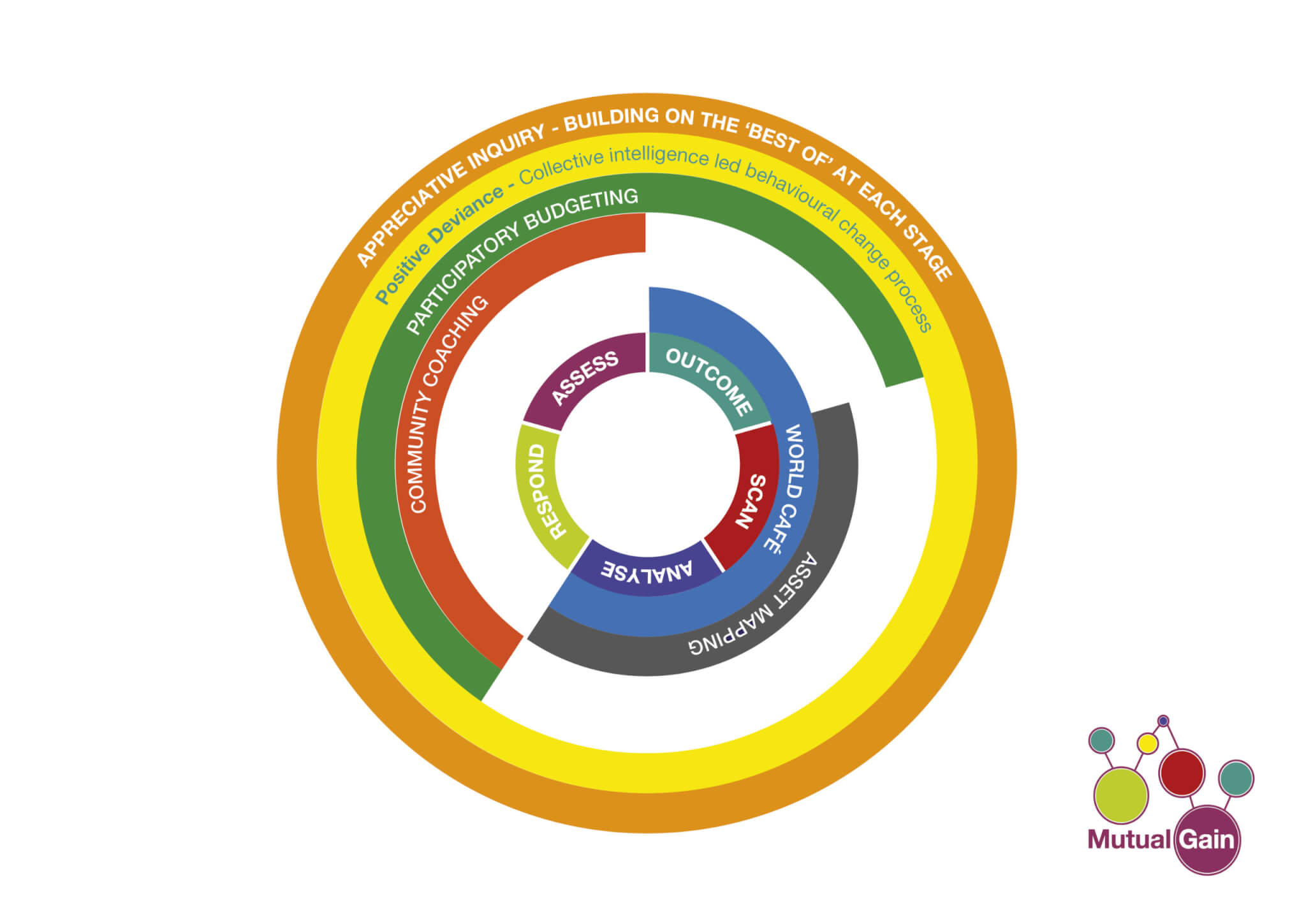
We heard from the finalists in the national Tilley Awards, who covered topics ranging from making shoppers safer (the winning team) to tackling fast car enthusiasts organising drive outs. We hosted a workshop on both days exploring how community engagement (in a MutualGain sense) can support problem-oriented policing (POP) and strengthen legitimacy. Each day brought different insights and challenges, and together they tell a story summarised here.
Day One: Barriers and Behaviours: On day one, we asked officers to reflect on their engagement and place it on a draft engagement spectrum we’ve been developing (based on work with 40% of forces over the last 15 years).
The biggest challenge they identified was trust and confidence. Officers recognised how legacy issues, anti-police sentiment, and perceptions that “nothing will change” all shape the willingness of communities to engage. Other barriers were also raised: resources, time, funding, language, partner support, and the reality that some people only want to speak to the police after they have been a victim.
When we shifted the focus to behaviours, officers told us they wanted to see:
- More partnerships and shared responsibility with communities and partner organisations.
- Communities encouraged to look past the uniform and see officers as people.
- Greater honesty, positivity, and stronger feedback loops.
- Communities acting as co-owners of solutions, not passive consultees.
There is clearly an appetite to move further toward co-production and shared power, even in the face of obstacles. I want to thank those who worked with us in this session, as the last-minute change of plan meant it may have felt slightly disjointed at times.
Day Two: Measuring Engagement: Day two was much smoother in terms of numbers and room set-up, which allowed us to explore how engagement could be measured. Officers shared a wide range of ideas, from traditional metrics to more relational indicators:
- Quantitative: satisfaction surveys, crime reports, intelligence uplift, diverse and regular attendance, reporting levels, reduction in repeat issues or assaults.
- Qualitative: community stories and testimonials, perceptions of trust, “you said, we did” outcomes, and whether people requested further engagement.
- Relational: improved relationships, increased confidence, new groups forming, shared ownership of problems, and better representation of seldom-heard voices.
This showed a strong recognition that engagement isn’t only about numbers: it’s about building relationships, trust, and shared responsibility.
Bringing It Together: Across both days, one thread was clear: trust is both the barrier and the outcome. Officers know that engagement cannot be judged simply by turnout or social media clicks. Real success comes when communities feel their voices are heard, trust is rebuilt, and responsibility for safety is genuinely shared.
Delegates are encouraged to problem solve but don’t always receive training that reflects the latest thinking. This conference is invaluable for sharing practice, but when it comes to community engagement the current College of Policing offer still relies on more traditional approaches (door knocking, street briefings) which don’t build social capital or support co-production. That’s where strengths-based training, designed by community engagement experts, can add real value, bringing collective dialogue and capturing collective intelligence. The ‘Neighbourhood Guarantee’ should really have included more of this in our view.
In short, we had a wonderful time listening to your work and look forward to seeing even more examples of collective community dialogue in future award submissions.